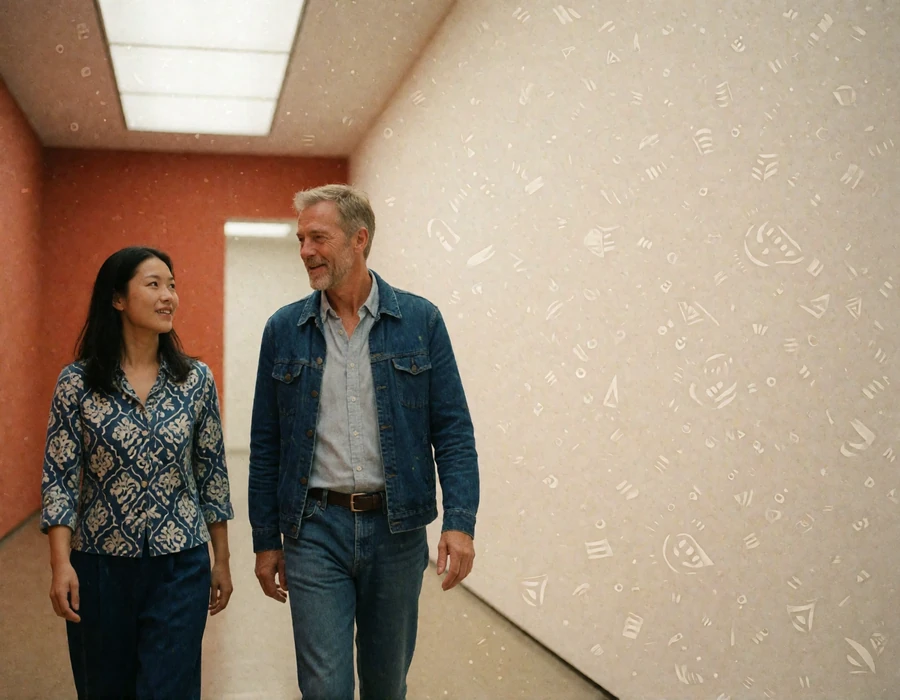
Stability in East Asian dating culture means demonstrated long-term compatibility, not spontaneous chemistry. According to Pew Research (2025), 72% of women in East Asia prioritize long-term compatibility over initial chemistry when evaluating a partner, compared with 54% of women in Western countries — a gap that shapes how profiles, conversations and early dates are read.
That priority is rooted in Confucian values common across China, Korea and Japan: respect for elders, social harmony and emotional restraint in public. Relationships tend to develop more slowly than in Western dating culture, but the depth of commitment once trust is established tends to run deep. Education adds another layer: intellectually engaged conversation and visible ambition matter as much as warmth.
- Long-term compatibility is weighed more heavily than initial chemistry, according to Pew Research (2025).
- Confucian-rooted respect for family and elders shapes how seriously a relationship is regarded.
- Steady, demonstrated commitment is valued over grand romantic gestures.
- Over 76% of Korean women aged 25-34 hold a bachelor’s degree, per Korea’s National Statistical Office (2025).
- The "shengnu" (剩女) phenomenon pressures unmarried Chinese women past 27, creating genuine motivation to consider international partners.